
Recycling & Re-use with Ridwell
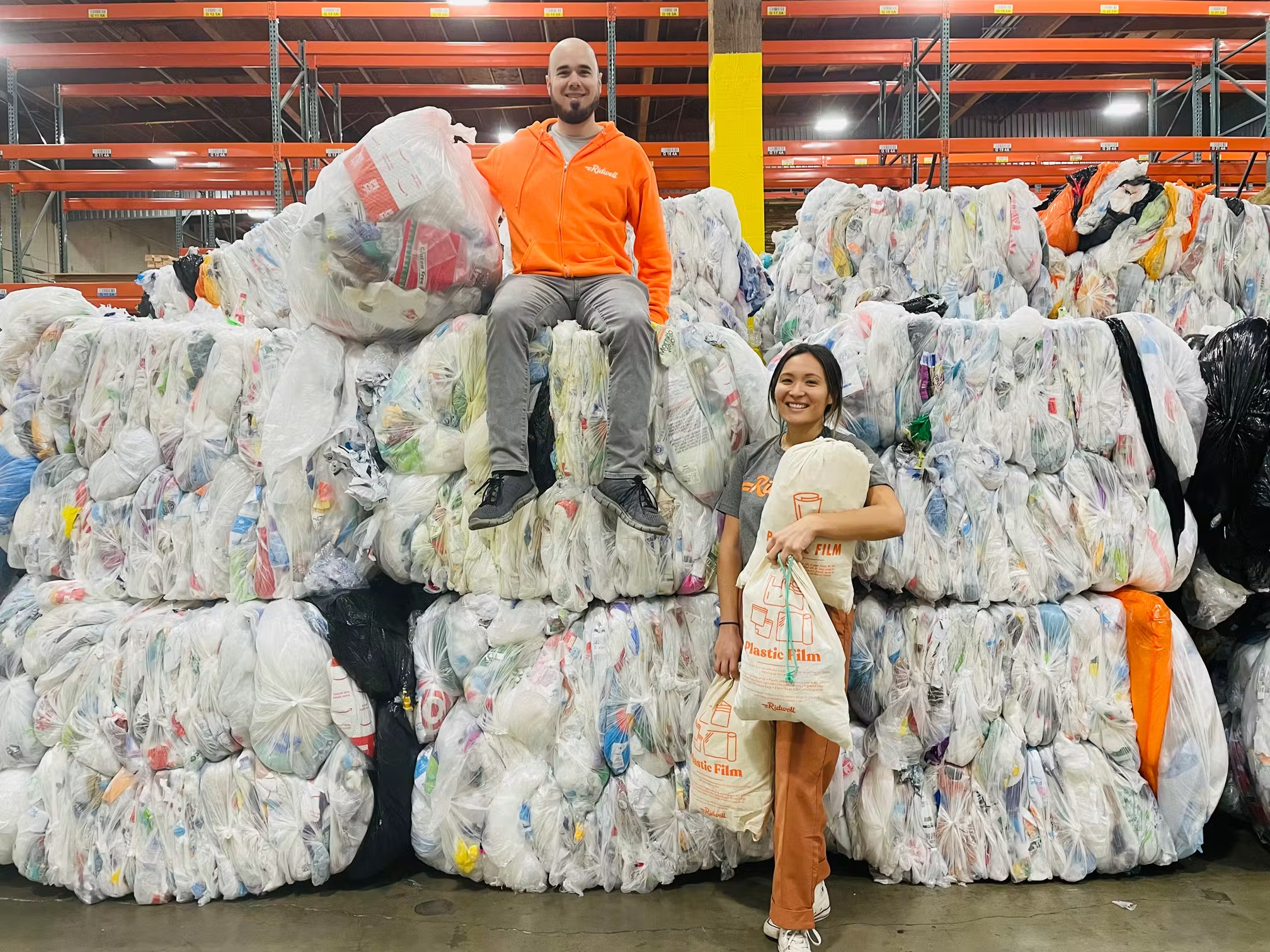
Photo by Ridwell
Ridwell is a doorstep recycling and reuse service that collects hard-to-recycle household items—such as thin plastics, batteries, and old clothing—that traditional curbside programs reject. Operating on a subscription basis, the company partners with specialized facilities to divert waste from landfills. Ridwell began as a simple father-and-son project called Owen’s List. Our founder, Ryan, wanted to teach his young kids—Owen, age 6, and Grant, age 2—the values he grew up with: caring for the environment and keeping useful things out of the garbage.
See Ridwell’s website for the inspiring story of one family's devotion and creative solution to care for our precious earth: $30 to start and only $18 a month for basic plan.
What They Accept
Ridwell collects a wide variety of items that standard municipal recycling can't process, which vary based on your local plan and rotating featured categories. Common items include:
Plastic Film: Grocery bags, zip-top bags, bubble wrap, and dry-cleaning bags.
Multi-layer Plastics: Snack bags, coffee pouches, and pet food bags.
Hard-to-Recycle Items: Household batteries, light bulbs, and wine corks.
Textiles: Gently used clothing, shoes, and worn-out threads (which are repurposed or recycled).
Where It Goes
Rather than sending materials to landfills, Ridwell partners with specialized processors. For example, they send hard plastics to partners like Trex (to be turned into composite decking) and ByFusion (to be turned into building materials). Textiles are routed to thrift stores and textile recycling programs, while batteries are responsibly processed for metal recovery.
It is worth the investment. Learn more at https://www.ridwell.com/about
Recycling is great and Not Using is Even Better!! Both are Grand!!
Here is a little inspiration for reducing your usage:
Plastic Free July is an annual global campaign to reduce the consumption of single-use plastic and the extreme pollution this is causing in our oceans and everywhere.
For the month of July, consider the impact of your purchases and the packaging of the products you buy. What changes can you make for one month every year? What changes would you like to adopt year-round How low can you go?
Go to PlasticFreeJuly.org to sign up and be part of this global annual campaign.